
PinnedWell is reader-supported. When you buy through links on our site, we may earn an affiliate commission at no extra cost to you. This helps us keep creating honest, research-backed content.
You know those rooms on Pinterest where the couch has four different throw blankets casually draped over it, there are nine pillows in coordinating but not matching fabrics, and somehow it all looks effortlessly pulled together instead of like a blanket fort that collapsed? I used to look at those photos and think "must be nice to have a decorating budget and no children." Then I learned that the secret isn't money or childlessness. It's layering. And once you understand the formula, you can recreate that look in any room with surprisingly affordable pieces.
Layered textiles are a top Pinterest Predicts 2026 trend, and for good reason. After years of minimalist decor telling us to strip everything back, people are craving warmth, texture, and rooms that feel like a hug. The "more is more" approach to textiles makes a room feel lived-in and cozy without being cluttered. Here's exactly how to do it.
Start With the Statement Throw
Every layered textile arrangement needs an anchor, and the chunky knit throw blanket is it. This is the big, photogenic blanket that drapes over the arm of your couch or the foot of your bed. The oversized cable knit texture gives it visual weight and makes it feel like the centerpiece. I have mine in a warm cream color and it makes our very average grey couch look like something from a Restoration Hardware catalog. The couch cost $600. The blanket cost $40. The illusion is priceless.
What We Like
Room to Improve
Add the Texture Pillows
Boucle throw pillows are the texture that makes everything look expensive right now. The nubby, looped fabric has this organic, almost cloud-like quality that begs to be touched. Pair them with your existing pillows — don't replace everything, just add two boucle pillows to whatever you already have. The contrast between a smooth velvet sofa pillow and a textured boucle one is exactly what creates that layered, designed look.
Curtains That Puddle (On Purpose)
Linen curtains that just barely touch or gently puddle on the floor add an enormous amount of softness to a room. Linen has a natural drape and texture that polyester curtains simply cannot replicate. The slight wrinkle isn't a flaw — it's the whole point. It looks relaxed and organic. Hang them higher and wider than the window frame for maximum drama and the illusion that your windows are bigger than they actually are.
The Rug That Ties It Together
A woven jute rug is the base layer of your textile stack. Its natural texture and warm tone ground the entire room and give all the other textiles something to play off. Layer a jute rug under your coffee table, then add a smaller, softer rug on top if you want to go full Pinterest. The contrast between the rough natural jute and the soft throws and pillows above creates that rich, textural depth that makes a room feel curated.
The Lumbar Pillow That Adds Depth
A velvet lumbar pillow in a rich jewel tone — think forest green, deep rust, or navy — adds color depth to your neutral layers. Lumbar pillows sit in front of your larger square pillows, creating visual depth and making your arrangement look deliberate. The velvet fabric reflects light differently than the boucle and knit textures, which is what gives that "designer" feel. One pillow. Massive impact.
The Bed Layer Cake
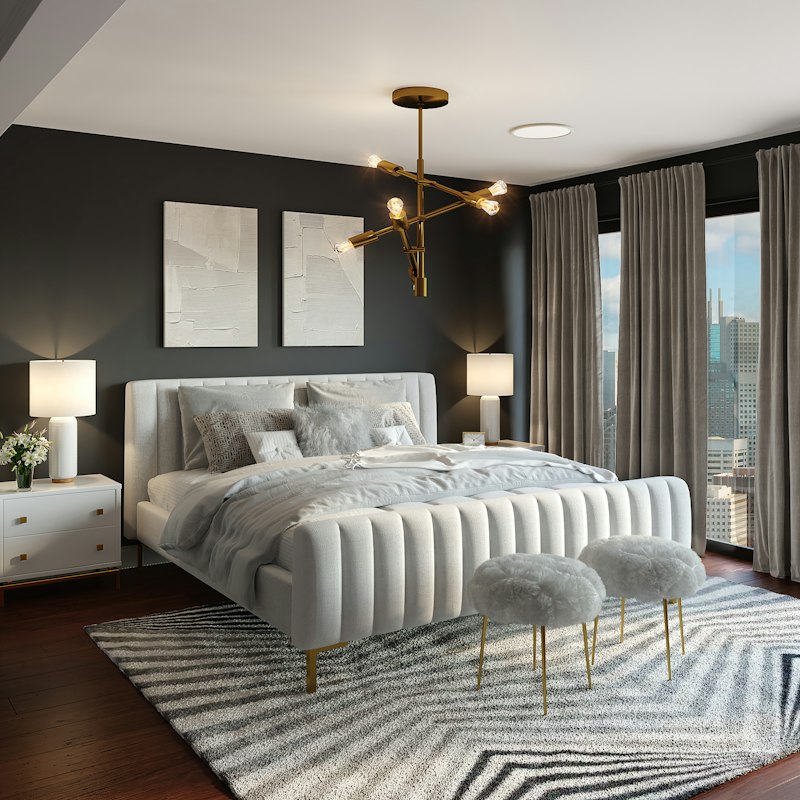
Your bed is the biggest textile surface in your home, so layering it properly has the biggest visual impact. Start with fitted sheet, flat sheet, then a lightweight quilt folded at the foot. Add your duvet. Drape a cable knit blanket across the bottom third. Stack pillows: sleeping pillows at the back, euro shams in front, decorative pillows at the very front. Throw that lumbar pillow in the center. This sounds like a lot, but it takes 90 seconds to make the bed this way and the result is absurdly satisfying.
The Golden Rule of Textile Layering
Mix at least three different textures but stick to two to three colors. Knit, boucle, velvet, linen, jute — all different textures that play beautifully together. But if you do cream knit, cream boucle, cream linen with one rust accent, the cohesion makes it look intentional instead of chaotic. This is the difference between "layered" and "laundry pile." It's a fine line. Color discipline keeps you on the right side of it.
Frequently Asked Questions
How do I keep layered textiles looking styled with kids and pets? Choose machine-washable fabrics for anything within kid or pet reach. Keep the delicate pieces — like a velvet lumbar pillow — on the bed or a chair that sees less traffic. Embrace a slightly lived-in look. Layered textiles are supposed to look relaxed, so a throw that's been actually used looks better than one that's perfectly staged.
Won't all these textiles make my room look cluttered? The key is texture variation with color cohesion. If everything is in the same tonal family, even five different textiles read as unified rather than cluttered. Also, not every piece needs to be out at once. Rotate seasonally — heavier knits in winter, lighter linens in summer.
What textures work for summer when it's too hot for chunky knits? Swap chunky knits for cotton waffle weave, light muslin, and linen. Same layering principles, lighter weight. A waffle-weave blanket and linen pillows give you texture without warmth.
Is jute comfortable on bare feet? Jute is rougher than wool or cotton rugs. If you walk barefoot a lot, layer a softer rug on top of the jute, or place the jute in areas where you typically wear shoes. Under a dining table or coffee table is ideal placement.
A room without textiles is like a meal without seasoning — technically complete but missing everything that makes it satisfying. Start with one throw and two pillows. Add a rug. Layer curtains. Before you know it, your living room feels like that Pinterest photo you saved six months ago, and you did it without hiring anyone or spending a fortune. Cozy isn't a budget. It's a strategy.
Related Articles

The Capsule Wardrobe Approach to Home Decor (How I Stopped Buying Random Stuff)
I used to buy throw pillows like they were therapy. Then I applied the capsule wardrobe concept to my home decor and ended up with rooms that actually look cohesive instead of like a HomeGoods exploded in my living room.

Color Drenching: The Paint Trend That Makes Any Room Feel Like a Cozy Cocoon
Color drenching means painting your walls, trim, ceiling, and even doors the same color. It sounds bold, but it creates the coziest rooms you have ever walked into. Here is how to do it without ruining your house.